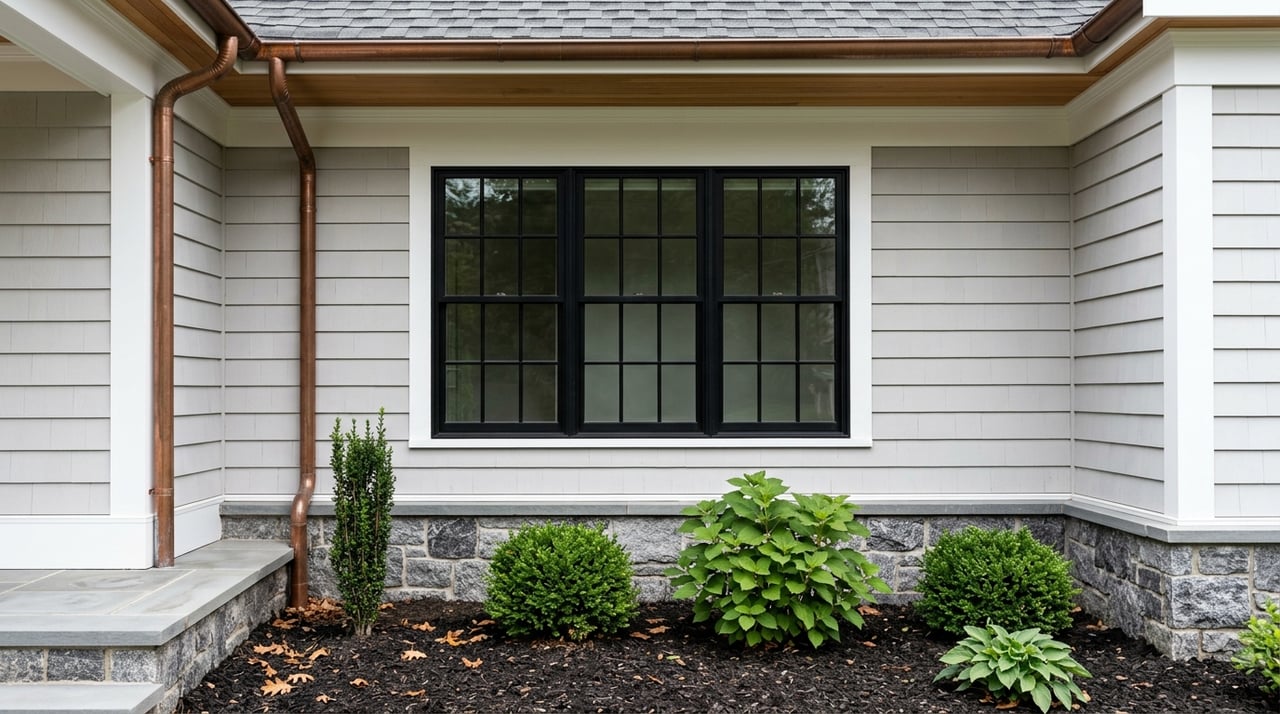
How to Evaluate Weston MA New Construction Homes
May 7, 2026
May 7, 2026
If you are comparing new construction in Weston, Wellesley, or Newton, it is easy to get distracted by polished finishes and glossy marketing. But in these towns, the smartest evaluation often happens behind the walls, on the plot plan, and inside the permit file. If you want to buy with more confidence, this guide will help you look past the model-home shine and focus on what really matters. Let’s dive in.
A beautiful new home should also show a clear record of proper approvals and oversight. In Massachusetts, builder diligence can include checking Home Improvement Contractor registration for certain work on existing owner-occupied homes, along with Construction Supervisor License compliance or registered design professional oversight for many building projects, including 1- and 2-family homes.
In Weston, the Building Department states that new construction and additions require a scheduled appointment before the permit process begins. The town also reviews plans for compliance with building code and zoning before permits are issued and inspections take place. Just as important for buyers, Weston notes that permit activity can be searched, which makes local permit history a practical way to evaluate how a project has moved through review.
For many buyers, this is where reputation becomes more meaningful. A strong builder is not only known for finishes and floor plans. A strong builder also has a track record of navigating local zoning, energy code, septic, conservation, and historic review requirements successfully.
Before you move too far into negotiations, ask for clarity on the approval path for the home you are considering.
In Weston especially, a large lot does not automatically mean a large buildable envelope. Zoning rules can shape what can actually be built, how the house sits on the land, and whether future changes may be limited.
Weston’s zoning requirements vary by district. District A requires 60,000 square feet and 45-foot side-yard setbacks, while District D requires 20,000 square feet and 20-foot side-yard setbacks. Street setbacks range from 60 feet in District A to 30 feet in District D.
Weston also limits Residential Gross Floor Area, or RGFA, for new or replacement single-family dwellings. In general, RGFA may not exceed the greater of 3,500 square feet or 10 percent of lot area, up to a 6,000-square-foot maximum, without a special permit from the Planning Board.
That means your eye test from the street can be misleading. A parcel may look expansive, but setbacks, frontage, septic layout, scenic-road review, or floor-area limits can all affect what is possible.
Some Weston properties face extra review layers beyond standard building permits. New or replacement single-family homes on Scenic Roads require Planning Board site plan approval. The town also flags site-plan review for homes that exceed RGFA thresholds or involve substantial reconstruction.
For a buyer, this affects more than paperwork. Driveway placement, tree removal, house massing, and how the home is positioned on the lot can all become part of the evaluation.
If you are choosing between Weston and nearby towns, the differences are real. Wellesley and Newton each have their own zoning structure, and neither is simple.
Wellesley’s current zoning bylaw includes front-yard depths of 30 to 40 feet, side-yard widths of 20 to 40 feet, and rear-yard depths of 10 to 20 feet depending on district and lot-size category. Wellesley also has neighborhood conservation districts and historic districts that can add review layers beyond ordinary zoning.
Newton is more urbanized, but buyers still need to pay attention to parcel-level rules. The city’s official zoning resources emphasize setbacks, height, width, depth, massing, and use standards as part of the approval picture. Newton also adopted a Residential Facade Build-Out Ratio ordinance that became effective on March 1, 2026.
The takeaway is simple. You should evaluate the lot and the approval context just as closely as the house itself.
Energy efficiency is now a central part of evaluating new construction in Weston, Wellesley, and Newton. All three communities are listed by Massachusetts as Specialized Energy Code municipalities.
According to the state adoption list, Weston’s Specialized Code effective date is July 1, 2024. Newton and Wellesley both have effective dates of January 1, 2024. Local town and city materials also confirm that the specialized code applies to qualifying new construction.
For you as a buyer, the practical point is that newer homes should generally be better insulated and more efficient than older housing stock. But code compliance alone is not enough to answer every question. The actual system package still matters.
Ask the builder or listing agent for specifics instead of broad claims like “energy efficient.” Focus on what was installed and how the home is meant to perform day to day.
These details can shape comfort, operating costs, and long-term appeal when you eventually sell.
One of the most common mistakes in new construction is assuming every upgrade automatically adds equal value. In practice, appraisals are still based on comparable sales.
Fannie Mae guidance states that comparable sales should have similar physical and legal characteristics, and appraisals must discuss sales concessions and upgrades for the subject property relative to comparable builder sales. Freddie Mac also states that market value should be unaffected by special financing or sales concessions.
This matters because builder incentives and upgrade packages are common in new construction. Premium finishes may improve your enjoyment of the home, but they may not all be reflected dollar-for-dollar in appraised value.
Before you commit to a long list of upgrades, ask for a detailed breakdown and compare it against nearby closed sales when possible.
A calm, analytical approach can help you avoid overpaying for features that may be hard to recover later.
Many buyers blend these two steps together, but they serve different purposes. A home appraisal is an independent assessment of value. A home inspection is a separate review of condition.
Massachusetts updated its home-inspection policy in 2025. For sales after October 15, 2025, sellers or agents generally may not condition a sale on an inspection waiver. There is a limited exemption for pre-completion sales of newly constructed homes if the contract is signed before substantial completion and the seller offers at least a one-year express written warranty.
Massachusetts consumer guidance also says home inspections are generally recommended, but they are visual only and do not reveal every issue. That is especially important in new construction, where a home may be brand new but still worth evaluating carefully.
In Weston, inspection planning often goes beyond the structure itself. The town states that all properties are served by private septic systems, and new construction can require separate Board of Health review.
The state also notes that new or upgraded septic systems do not require a transfer inspection because they receive a Certificate of Compliance. Still, footprint changes and site planning should be checked against septic components and reserve areas, which can affect both current use and future flexibility.
When buyers compare Weston, Wellesley, and Newton, they are often comparing more than square footage. They are also comparing how a specific address may function over time.
The three school systems have different structures. Weston Public Schools states the district has five schools. Wellesley Public Schools states the district has six elementary schools plus middle and high school. Newton Public Schools states the district has 15 elementary schools, four middle schools, two comprehensive high schools, and two alternative high school programs.
It is best to verify the exact assignment for any property you are considering rather than making assumptions from a map or listing description. School assignment structure is just one part of how a home may fit your needs over time.
Transportation access also varies meaningfully across these suburbs.
Weston’s transportation page states that commuter rail to North Station is available from Hastings and Kendal Green, with access to Routes 30, 117, 128/I-95, U.S. 20, and I-90. The town also notes that it has no bus service.
Wellesley’s transportation guide lists three commuter-rail stations on the Framingham/Worcester line, Green Line D access at Woodland and Waban, and local micro-transit connections. Newton’s public transportation page lists Green Line D stations, commuter-rail stations at Auburndale, West Newton, and Newtonville, plus access to I-90, I-95, Route 9, Route 16, and Route 30.
For long-term value, the key question is whether the house fits the address-level demand profile of its town. That often means looking at the exact location, commute patterns, zoning constraints, and future expansion potential together instead of one at a time.
The right new construction home is not just the one with the nicest kitchen or the most dramatic foyer. It is the one that holds up when you evaluate permits, lot constraints, systems, inspections, and long-term fit side by side.
In a market like Weston and its nearby suburbs, details matter. If you want experienced, hands-on guidance as you compare new homes, the Christman Johnsson Group can help you evaluate opportunities with local insight and steady support.
Stay up to date on the latest real estate trends.



Whether you're buying, selling, or just exploring your options in Brookline, Newton, and the Greater Boston area, connect with us today. Let's discuss your goals and how we can help you achieve them, one step at a time.