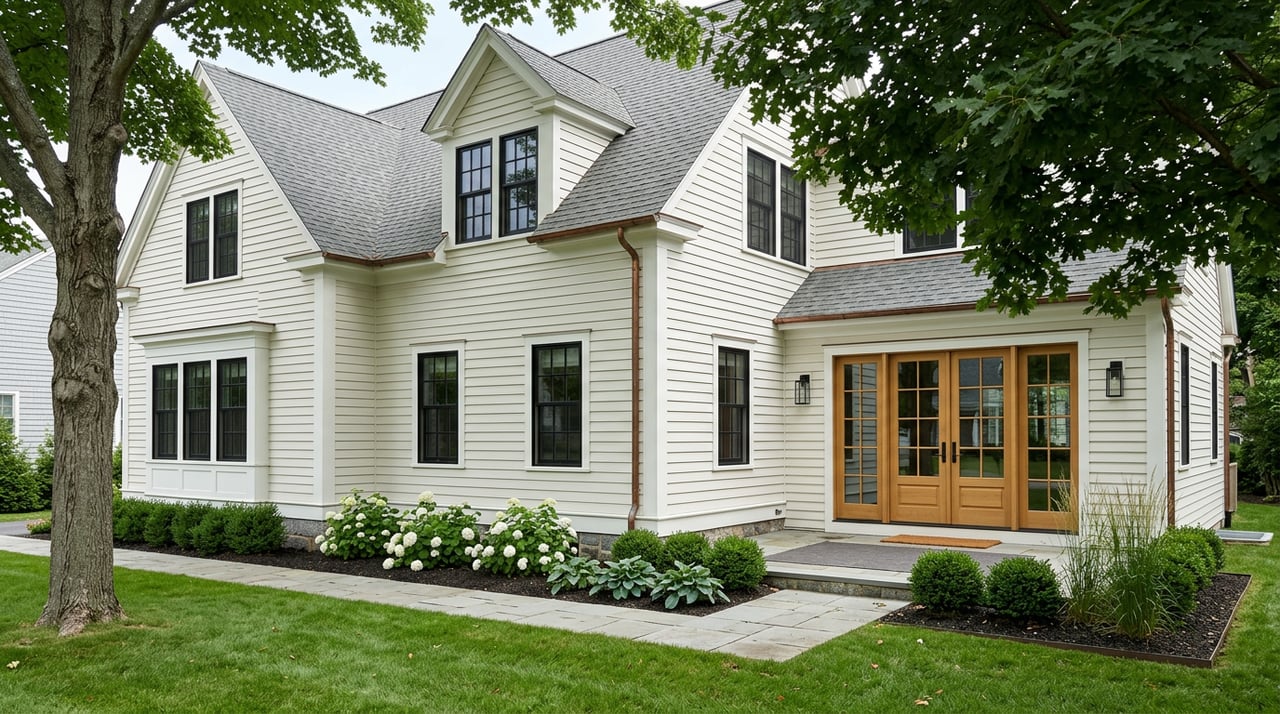
Living in Milton MA: More Space for Boston Families
March 24, 2026
March 24, 2026
Want a bigger backyard without giving up Boston? If you’re feeling squeezed by condo life or a narrow city lot, Milton offers room to spread out while keeping your daily rhythms close to the city. Many Boston-area families look south to Milton for its tree-lined streets, access to trails, and a practical commute. In this guide, you’ll see how space in Milton actually looks, what it costs, how the commute works, and where to focus your search. Let’s dive in.
Set immediately south of Boston, Milton blends established neighborhoods with a high share of conserved open space. Town materials highlight its proximity to jobs and services along with a suburban, wooded character that appeals to homeowners seeking yards and privacy. You can explore the town overview on the official Town of Milton “About” page.
A major differentiator is Milton’s border with the Blue Hills Reservation, a state-managed park of roughly 7,000 acres with long trail networks and seasonal programming. For many buyers, that adjacency is a real quality-of-life upgrade.
Milton is not one uniform market. Neighborhoods vary widely in lot size, housing type, and vibe. The town’s master plan describes a clear pattern: smaller village lots in the north and larger parcels toward Brush Hill and the southern slopes near the Blue Hills. You can see that land-use description in Milton’s Master Plan, Volume 2.
This is the historic village core with older Colonial, Federal, and Victorian homes, plus small shops and walkable streets. Lots tend to be smaller, which suits buyers who want a classic village setting. For a concise neighborhood overview, the Milton Historical Society’s neighborhood guide is a helpful primer.
East Milton Square and the areas near Lower Mills show 19th-century patterns with a mix of single- and two-family homes and local retail nodes. If walk access to daily conveniences matters to you, these streets often provide it. Housing types are more varied than in estate areas to the south.
If you are prioritizing larger lots and more privacy, the southern and southeastern slopes around Brush Hill and upper Adams Street are the most consistent places to find it. Parcels here often provide deeper setbacks, mature trees, and a quieter feel. The master plan notes this shift from village lots to estate-scale parcels as you move south.
Homes nearest the reservation tend to command a premium for proximity to trails and views. Expect more topography, occasional rock outcrops, and an easy trailhead routine for weekend hikes. If an outdoor-forward lifestyle is high on your list, this may be where you focus.
The Blue Hills Reservation delivers one of Greater Boston’s best backyard playgrounds: more than 100 miles of trails, Houghton’s Pond for swimming, seasonal skiing at the Blue Hills Ski Area, and the family-friendly Trailside Museum. It’s a convenient way to build nature time into your week. Plan your first visit with the Blue Hills trail map and guide.
Milton Public Schools operate four elementary schools (Collicot, Cunningham, Glover, and Tucker), Pierce Middle School, and Milton High School. For current program information and district report cards, start with the Milton Public Schools website.
Private and independent options nearby include Milton Academy, Fontbonne Academy, and Curry College. You can learn more about Milton Academy through this school profile. Beyond academics, the town’s library, parks, and seasonal events like the farmers market build a steady community rhythm. A community profile summary outlines recurring civic amenities.
Milton’s commute reflects a balance between space and access. The American Community Survey reports a mean travel time to work of about 32.1 minutes for Milton residents (2019–2023). See the context on U.S. Census QuickFacts.
For transit, northern Milton is served by the MBTA Mattapan trolley, with a transfer to the Red Line at Ashmont. Get a sense of stop locations via the Milton station overview. Many households also rely on local MBTA buses or driving, with key routes including Blue Hill Avenue, Adams Street, Route 138, and nearby I‑93 connections.
As of early 2026, broad consumer indices place Milton’s typical home value around the low-to-mid seven figures. Zillow’s Home Value Index shows about $1.03M for Milton, according to the page dated Dec 2025–Jan 2026. You can view the current index on Zillow’s Milton market page. Redfin’s reported median sale price for zip 02186 in the same period was near $998K. Prices vary by neighborhood and property type, so it helps to align your search with your priorities on lot size, commute, and walk access.
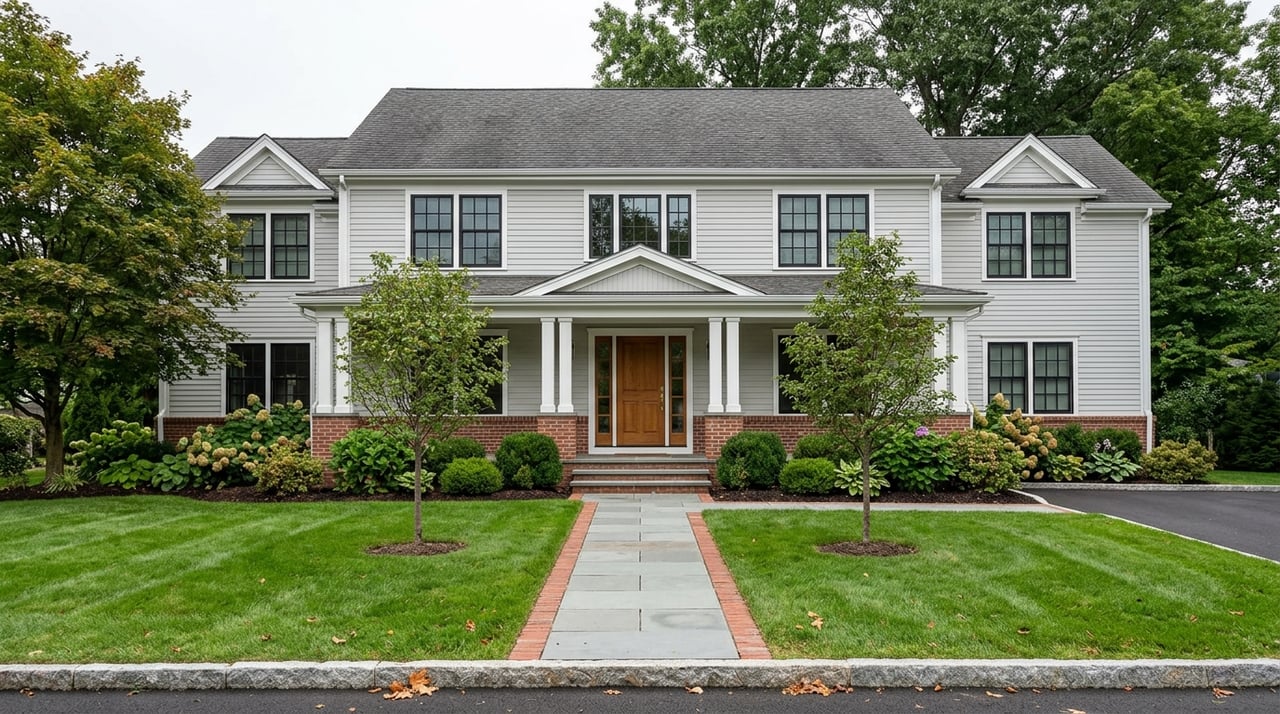
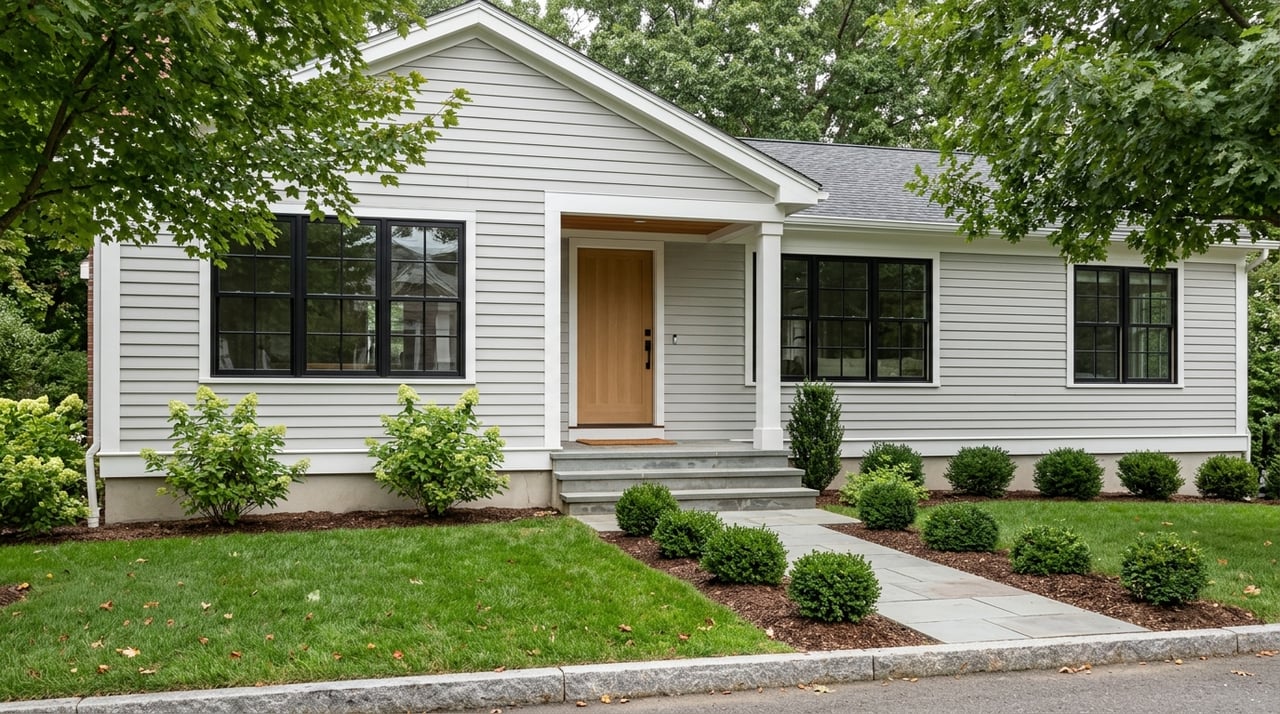
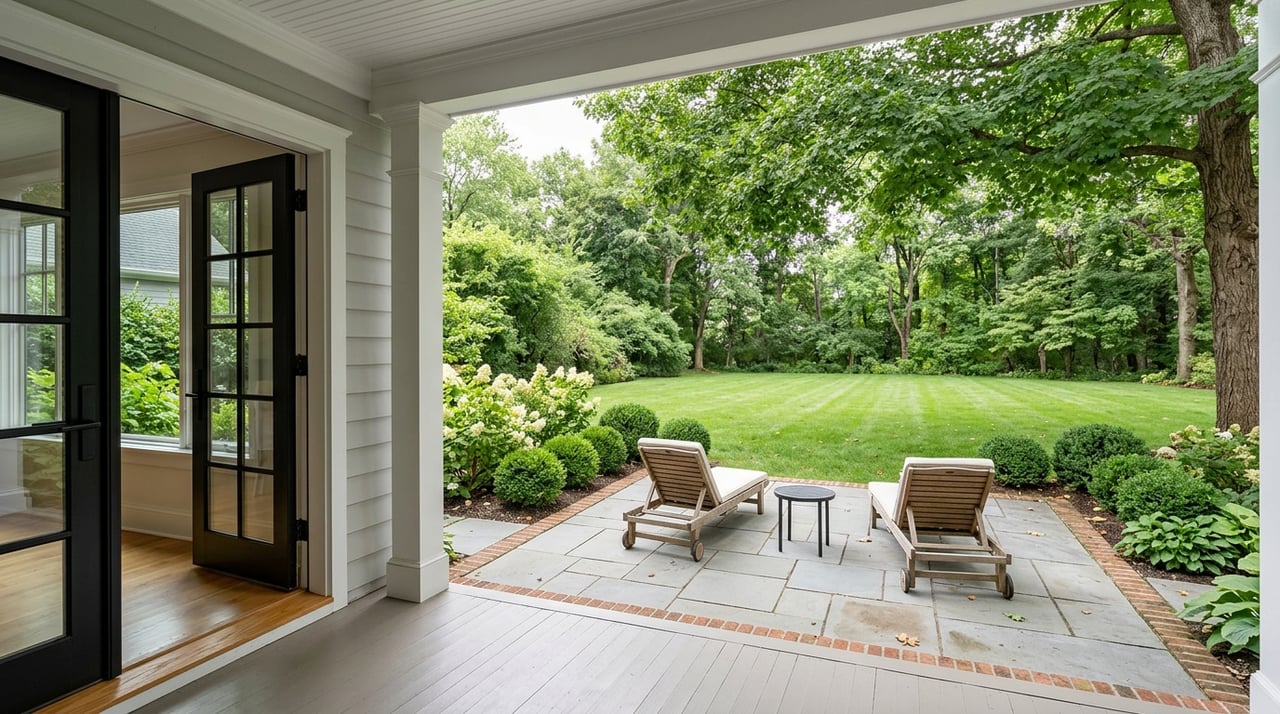
In practical terms, “more space” in Milton often means a larger rear yard, multi-bedroom floor plans, finished basements, and off-street parking. In southern neighborhoods, you will also see bigger parcels and more trees. These features typically come at a premium compared with denser Boston neighborhoods, which is why having a clear budget and must-have list is key.
Consider Milton if you:
Ready to explore homes with the right space, neighborhood fit, and budget? Connect with the Christman Johnsson Group for a focused neighborhood consult, curated listings, and a clear plan from search to closing.
Stay up to date on the latest real estate trends.


Whether you're buying, selling, or just exploring your options in Brookline, Newton, and the Greater Boston area, connect with us today. Let's discuss your goals and how we can help you achieve them, one step at a time.